

for the Thai language
| | Internet resource for the Thai language |
F.A.Q. Check out the list of frequently asked questions for a quick answer to your inquiry
recent donations!
Sign-up to join our mailing list. You'll receive email notification when this site is updated. Your privacy is guaranteed; this list is not sold, shared, or used for any other purpose. Click here for more information.
To unsubscribe, click here.
| ห high-class | 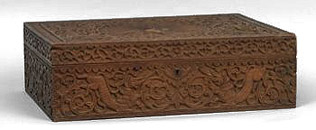 | หอ หีบ  | chest; wooden box; trunk | The 41st consonant in the Thai alphabet |
| Page 32 | |||
| หลายใจ | laaiR jaiM | adjective | [is] unfaithful (to one's wife, e.g.) |
| หลายช่วงของซอยหักมุมเป็นข้อศอกงอพับ มีโคมไฟสีเหลืองสาดแสงลงมา | laaiR chuaangF khaawngR saawyM hakL moomM bpenM khaawF saawkL ngaawM phapH meeM kho:hmM faiM seeR leuuangR saatL saaengR lohngM maaM | example sentence | "At many junctures along the street there are sharp, hairpin turns; lanterns casts yellow light [on the street]." |
| หลายเดือนหลังจากนั้น ด้วยความสามารถอันยอดเยี่ยมของเพื่อนคนหนึ่งในรุ่น ที่เพียรเสาะหาข่าว ทำให้ทราบความจริงว่าเธอกำลังเป็นมะเร็งอยู่ | laaiR deuuanM langR jaakL nanH duayF khwaamM saaR maatF anM yaawtF yiiamF khaawngR pheuuanF khohnM neungL naiM roonF theeF phiianM sawL haaR khaaoL thamM haiF saapF khwaamM jingM waaF thuuhrM gamM langM bpenM maH rengM yuuL | example sentence | "Several months afterward, with the extraordinary skill of one of our classmates who worked made a considerable effort to obtain information, we were able to find out that she had cancer." |
| หลายต่อหลาย | laaiR dtaawL laaiR | adjective | many; multitude; much |
| หลายตัวเป็นการเดินทางครั้งแรก | laaiR dtuaaM bpenM gaanM deernM thaangM khrangH raaekF | example sentence | "Many of these animals are making their first journey." |
| หลายตัวรู้ว่า นี่อาจเป็นการเดินทางครั้งสุดท้าย | laaiR dtuaaM ruuH waaF neeF aatL bpenM gaanM deernM thaangM khrangH sootL thaaiH | example sentence | "Many of the animals sense that this may be their last trip." |
| หลายท่านคงจะยังจำกันได้ถึงวาระการเสด็จพระราชดำเนินเยือนทุ่งมะขามหย่อง ในวันที่ ๒๕ พ.ค. ๒๕๕๕ ระหว่างที่พระองค์ประชวรและประทับอยู่ ณ โรงพยาบาลศิริราช | laaiR thanF khohngM jaL yangM jamM ganM daiF theungR waaM raH gaanM saL detL phraH raatF chaH damM neernM yeuuanH thoongF maH khaamR yaawngL naiM wanM theeF yeeF sipL haaF phreutH saL phaaM khohmM saawngR phanM haaF raawyH haaF sipL haaF raH waangL theeF phraH ohngM bpraL chuaanM laeH bpraL thapH yuuL naH ro:hngM phaH yaaM baanM siL riH raatF | example sentence | "Many of you will still remember when He paid a royal visit to Thung Makham Yong [in Ayuthiya] on the 25th of May, 2555 BE [2012 CE] while he was ill and lived at Sririrath Hospital." |
| หลายท่านที่มองพัฒนาการทางประวัติศาสตร์แบบเส้นตรงตามวิธีคิดของตะวันตกอาจรู้สึกผิดหวังที่เห็นพัฒนาการทางการเมืองของสังคมไทยที่ไม่ก้าวหน้าไปแบบเส้นตรง | laaiR thanF theeF maawngM phatH thaH naaM gaanM thaangM bpraL watL saatL baaepL senF dtrohngM dtaamM wiH theeM khitH khaawngR dtaL wanM dtohkL aatL ruuH seukL phitL wangR theeF henR phatH thaH naaM gaanM thaangM gaanM meuuangM khaawngR sangR khohmM thaiM theeF maiF gaaoF naaF bpaiM baaepL senF dtrohngM | example sentence | "Many people who view historical development as a straight line (function) as in Western thinking are disappointed when they perceive that political development of Thai society does not move forward in a linear manner." |
| หลายเทศกาลหลากโอกาส | laaiR thaehtF saL gaanM laakL o:hM gaatL | noun, phrase | many different occasions; various festivals |
| หลายเท่า | laaiR thaoF | adverb | many times; a number of times (occasions); often |
| หลายเท่าตัว | laaiR thaoF dtuaaM | adverb | many times (more); many more multiples |
| หลายประเทศต่างภาวนาให้ผู้นำคนต่อไปของเกาหลีเหนือลดความกร้าวและหันไปสนับสนุนแนวทางเจรจามากกว่าการใช้กำลังเหมือนที่แล้วมา | laaiR bpraL thaehtF dtaangL phaaM waH naaM haiF phuuF namM khohnM dtaawL bpaiM khaawngR gaoM leeR neuuaR lohtH khwaamM graaoF laeH hanR bpaiM saL napL saL noonR naaeoM thaangM jaehnM raH jaaM maakF gwaaL gaanM chaiH gamM langM meuuanR theeF laaeoH maaM | example sentence | "Many nations pray that the next leader of North Korea will soften its intransience and will support negotiations over the use of force as they have previously done." |
| หลายประเทศระงับการส่งออกสินค้าชั่วคราว เนื่องจากความตื่นกลัวว่าผลผลิตที่ออกมาจะมีปริมาณไม่เพียงพอต่อการบริโภคของคนในประเทศ | laaiR bpraL thaehtF raH ngapH gaanM sohngL aawkL sinR khaaH chuaaF khraaoM neuuangF jaakL khwaamM dteuunL gluaaM waaF phohnR phaL litL theeF aawkL maaM jaL meeM bpaL riH maanM maiF phiiangM phaawM dtaawL gaanM baawM riH pho:hkF khaawngR khohnM naiM bpraL thaehtF | example sentence | "Many countries have temporarily stopped exporting (certain) goods due to the fear that production is insufficient for domestic consumption." |
| หลายปีกว่าความคิดนั้นจะผลิบานเต็มที่ | laaiR bpeeM gwaaL khwaamM khitH nanH jaL phliL baanM dtemM theeF | example sentence | "It will take years for that idea to come to full flower." |
| หลายปีดีดัก | laaiR bpeeM deeM dakL | adverb | for a long time; for many years |
| หลายปีที่ผ่านมาเขาหมกมุ่นกับการเรียน | laaiR bpeeM theeF phaanL maaM khaoR mohkL moonF gapL gaanM riianM | example sentence | "For so many years not he had been immersed in his studies." |
| หลายปีที่ห่างเหินกัน ทำให้ต่างคนต่างเหมือนคนแปลกหน้า | laaiR bpeeM theeF haangL heernR ganM thamM haiF dtaangL khohnM dtaangL meuuanR khohnM bplaaekL naaF | example sentence | "The many years that we have been apart have caused us to become strangers." |
| หลายปีผ่าน พ่อและแม่ของเขาเดินทางมาเยี่ยม | laaiR bpeeM phaanL phaawF laeH maaeF khaawngR khaoR deernM thaangM maaM yiiamF | example sentence | "Many years passed by; his parents traveled to visit him." |
| หลายปีมาแล้ว | laaiR bpeeM maaM laaeoH | adverb, phrase | many years ago |
| หลายเผ่าด้วยกันทำเกษตรด้วยวิธีทำไร่เลื่อนลอย อันเป็นวิธีที่เหมาะกับสังคมของเขา | laaiR phaoL duayF ganM thamM gaL saehtL duayF wiH theeM thamM raiF leuuanF laawyM anM bpenM wiH theeM theeF mawL gapL sangR khohmM khaawngR khaoR | example sentence | "Many tribes employ slash and burn agricultural methods which are appropriate to their social structure." |
| หลายฝ่ายได้ออกมาแสดงความคิดเห็นว่าการประมูลครั้งนี้ ดูจะมีความราบเรียบกว่าครั้งก่อน และจะเป็นจุดหักเหของระบบการประมูลสินค้าในโกดังรัฐบาล | laaiR faaiL daiF aawkL maaM saL daaengM khwaamM khitH henR waaF gaanM bpraL muunM khrangH neeH duuM jaL meeM khwaamM raapF riiapF gwaaL khrangH gaawnL laeH jaL bpenM jootL hakL haehR khaawngR raH bohpL gaanM bpraL muunM sinR khaaH naiM go:hM dangM ratH thaL baanM | example sentence | "Several factions have expressed their opinions that the current [round of] bidding appears to be less erratic than before and has served as a transition in the bidding process for [agricultural] goods in government warehouses." |
| หลายฝ่ายต่างคัดค้านการแก้ไขกฎหมายที่ดิน ที่อนุญาตให้คนต่างชาติถือครองกรรมสิทธิ์ที่ดิน | laaiR faaiL dtaangL khatH khaanH gaanM gaaeF khaiR gohtL maaiR theeF dinM theeF aL nooH yaatF haiF khohnM dtaangL chaatF theuuR khraawngM gamM maH sitL theeF dinM | example sentence | "There are a number of factions who are opposed to amending the real estate law to allow foreigners to own land titles." |
| หลายมิติ | laaiR miH dtiL | adjective | [is] multi-dimensional |
| หลายวัน | laaiR wanM | adverb | several days; many days |
| หลายวันก่อนเขาได้ยินเพื่อนบ้านบอกว่าจะกู้เงิน ธกส. เพื่อนำไปวางเงินดาวน์รถไถนา | laaiR wanM gaawnL khaoR daiF yinM pheuuanF baanF baawkL waaF jaL guuF ngernM thaawM gaawM saawR pheuuaF namM bpaiM waangM ngernM daaoM rohtH thaiR naaM | example sentence | "A number of days ago he heard his neighbors say that they would borrow money from the Agricultural Bank to make a down payment to purchase a mechanical tractor." |
| หลายวิธีการที่ผมพยายามลดกลิ่นกาย ไม่ว่าจะเอาขี้สัตว์ป่า เช่น ขี้กระทิง วัวแดง และขี้ช้างมาผสมน้ำพรมรอบ ๆ | laaiR wiH theeM gaanM theeF phohmR phaH yaaM yaamM lohtH glinL gaaiM maiF waaF jaL aoM kheeF satL bpaaL chenF kheeF graL thingM wuaaM daaengM laeH kheeF chaangH maaM phaL sohmR naamH phrohmM raawpF | example sentence | "I tried many ways to reduce my body odor; I tried to take wildlife droppings, such as, deer feces, cow patties, and elephant droppings, mix them with water and spread it [around my blind]." |
| หลายสิ่งกำลังเปลี่ยนแปลง การงานใหม่ บ้านหลังใหม่ และใครสักคนที่จะทำให้ชีวิตของเขาแตกต่างไปจากเดิม | laaiR singL gamM langM bpliianL bplaaengM gaanM ngaanM maiL baanF langR maiL laeH khraiM sakL khohnM theeF jaL thamM haiF cheeM witH khaawngR khaoR dtaaekL dtaangL bpaiM jaakL deermM | example sentence | "Many things were changing: [he had] a new job and a new house and someone who made his life different from what it had been." |
| หลายสิ่งหลายอย่าง | laaiR singL laaiR yaangL | noun, phrase | many things; lots of things |
| หลายสิ่งเหลือเกินที่ต้องทำ หลายสิ่งเหลือเกินที่ต้องปรับปรุง | laaiR singL leuuaR geernM theeF dtawngF thamM laaiR singL leuuaR geernM theeF dtawngF bprapL bproongM | example sentence | "He had so many things to do, so many improvements to make." |
| หลายสี | laaiR seeR | phrase, colloquial | multi-colored or multicolored |
| หลายหลาก | laaiR laakL | adjective, adverb | various; diverse; varied |
| หลายเหลี่ยม | laaiR liiamL | adjective | [is] polygonal |
| หลายอย่าง | laaiR yaangL | noun | many varieties; many types; many kinds |
| หลาย ๆ อย่างไม่ลงตัว | laaiR yaangL maiF lohngM dtuaaM | example sentence | "Lots of things are just not working out." |
| หลายอย่างเราสามารถควบคุมได้โดยง่ายดาย ขอเพียงควบคุมอารมณ์ตนเองให้ได้เสียก่อน | laaiR yaangL raoM saaR maatF khuaapF khoomM daiF dooyM ngaaiF daaiM khaawR phiiangM khuaapF khoomM aaM rohmM dtohnM aehngM haiF daiF siiaR gaawnL | example sentence | "Some things we can easily control; first, however, let us be able control our own emotions." |
| หลาย ๆ | laaiR laaiR | adverb | [หลาย ๆ] several |
| หลาย ๆ | laaiR laaiR | adverb | [หลาย ๆ] [Isaan dialect] มาก ๆ |
| หลาว | laaoR | noun | pike, javelin, dart, lance, spear |
| หลินปิง | linR bpingM | proper noun | [name of a panda in Chiang Mai zoo] Lin Ping |
| หลิว | liuR | noun | [general] Chinese willow, Salix babylonica |
| noun | [ต้นหลิว] Chinese willow tree | ||
| adjective | [suffix] [is] tiny | ||
| หลิ่ว | liuL | verb | to squint; to look with one eye; to pretend not to see |
| หลิ่วตา | liuL dtaaM | verb | to squint with one eye |
| หลี | leeR | noun | [a unit of weight used by jewelers equal to] 1/10 of a หุน [or about] 37.5mg |
| adjective | [ขี้หลี] [is] flirtatious; flirty; [is] flirting | ||
 หลีก หลีก | leekL | verb | to avoid; evade; dodge; get out of the way |
| หลีกทาง | leekL thaangM | verb | move out of the way |
| หลีกลี้ | leekL leeH | verb | to escape; avoid; dodge |
| หลีกเลี่ยง | leekL liiangF | verb, transitive, intransitive, phrase, formal | to avoid; evade |
| หลีกเลี่ยงการชำระภาษีอากร | leekL liiangF gaanM chamM raH phaaM seeR aaM gaawnM | verb | tax evasion |
| หลีกเลี่ยงการโต้เถียง | leekL liiangF gaanM dto:hF thiiangR | verb, phrase | to avoid personal conflict; stop arguing |
| หลีกเลี่ยงการถู กด หรือเกา บริเวณแผลและรอบ ๆ แผลเพื่อหลีกเลี่ยงการติดเชื้อ ไม่เพียงระยะแรกแต่ตลอดไป | leekL liiangF gaanM thuuR gohtL reuuR gaoM baawM riH waehnM phlaaeR laeH raawpF phlaaeR pheuuaF leekL liiangF gaanM dtitL cheuuaH maiF phiiangM raH yaH raaekF dtaaeL dtaL laawtL bpaiM | example sentence | "[You should] avoid rubbing, putting pressure on or scratching the area around the incision so that you avoid infection, not only during the period immediately [after the operation] but always." |
| Page 32 of 73. « prev page index next » | |||