

for the Thai language
| | Internet resource for the Thai language |
F.A.Q. Check out the list of frequently asked questions for a quick answer to your inquiry
recent donations!
Sign-up to join our mailing list. You'll receive email notification when this site is updated. Your privacy is guaranteed; this list is not sold, shared, or used for any other purpose. Click here for more information.
To unsubscribe, click here.
| ต mid-class | 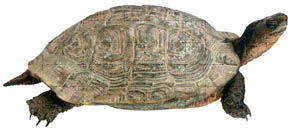 | ตอ เต่า  | turtle | The 21st consonant in the Thai alphabet |
| Page 12 | |||
| ตระหนก | dtraL nohkL | verb, intransitive, formal | to be frightened; to be alarmed |
| ตระหนัก | dtraL nakL | verb, intransitive, formal | to sense; realize; aware; conscious |
| verb | [ตระหนักถึง] to consider; think about; become aware of | ||
| ตระหนักแต่อย่าตระหนก | dtraL nakL dtaaeL yaaL dtraL nohkL | verb, phrase | to be aware of but do not become alarmed |
| ตระหนักแต่อย่าตระหนก อาการโควิด-19 เบื้องต้นคล้ายไข้หวัดใหญ่ | dtraL nakL dtaaeL yaaL dtraL nohkL aaM gaanM kho:hM witH beuuangF dtohnF khlaaiH khaiF watL yaiL | example sentence | "Be aware of but not panic when you get the initial Covid-19 symptoms which are like those of influenza." |
| ตระหนักถึง | dtraL nakL theungR | verb | [ตระหนักถึง] to consider; think about; become aware of |
| ตระหนักถึง | dtraL nakL theungR | verb | to realize; become aware of |
| ตระหนักแน่ | dtraL nakL naaeF | adjective | [is] conscious of; aware of |
| ตระหนักในความผูกพันระหว่างสถาบันพระมหากษัตริย์กับประชาชน | dtraL nakL naiM khwaamM phuukL phanM raH waangL saL thaaR banM phraH maH haaR gaL satL gapL bpraL chaaM chohnM | example sentence | "...understand the bond between the King and his people." |
| ตระหนี่ | dtraL neeL | adjective, formal | [is] parsimonious; stingy; miserly; penny-pinching; penurious |
| noun | [ความตระหนี่] stinginess | ||
| ตระหนี่ถี่เหนียว | dtraL neeL theeL niaaoR | adjective, phrase, formal | [is] totally parsimonious; niggardly; a skinflint; stingy |
| ตรัง | dtrangM | proper noun, geographical | Trang, a province in southern Thailand with a 1995 population of 560,887 (rank 42 of 76) |
| ตรับ | dtrapL | verb | to listen to; to give (an) ear to |
 ตรัส ตรัส | dtratL | verb | [as a king or royalty] to say; remark; speak; declare; pronounce |
| ตรัส | dtratL saL | [alternate pronunciation of ตรัส ] | |
| ตรัสรู้ | dtratL saL ruuH | verb | [as the Buddha] to know all; to be enlightened |
| ตรา | dtraaM | noun | brand name; brand; seal; stamp; mark; hallmark; device; decoration; badge |
| verb, transitive, intransitive, formal, poetic | to mark down; to imprint | ||
| noun | insignia; coat-of-arms | ||
| ตราตรึง | dtraaM dtreungM | verb | to impress; imprint |
| ตราประทับ | dtraaM bpraL thapH | noun | stamp (thing to make ink impressions); seal (as in a wax imprint) |
| ตราประทับความชอบธรรม | dtraaM bpraL thapH khwaamM chaawpF thamM | noun, phrase | stamp of legitimacy |
| ตราประทับวันที่ | dtraaM bpraL thapH wanM theeF | noun, phrase, formal | date stamp (on a legal document, for example) |
| ตรายาง | dtraaM yaangM | noun | a rubber stamp |
| ตราสาร | dtraaM saanR | noun | document; instrument; printed matter |
| ตราสารหนี้ | dtraaM saanR neeF | noun, phrase | debt instruments; mortgage-backed securities |
| ตราหน้า | dtraaM naaF | verb | to denounce; accuse; insult; defy; despise |
| ตราหน้า | dtraaM naaF | to brand; label; stigmatize; condemn; disparage | |
| ตรากตรำ | dtraakL dtramM | verb | to endure; persist, persevere, struggle, attempt, strive |
| adverb | hard; callously | ||
| ตรากตรำความเหน็ดเหนื่อย | dtraakL dtramM khwaamM netL neuuayL | phrase | They endure hardship and exhaustion |
| ตราชั่ง | dtraaM changF | [alternate spelling of ตาชั่ง ] | |
| ตราชั่งมีไว้เอียง | dtraaM changF meeM waiH iiangM | example sentence | Scales [of Justice] exist to be tipped. |
| ตราชู | dtraaM chuuM | noun, formal | balance; scales; pair of scales; balance scales |
| ตราด | dtraatL | proper noun, geographical | Trat, a province in central Thailand with a 1995 population of 208,627 (rank 73 of 76) |
| ตราตรึงใจ | dtraatL reungM jaiM | adjective | [is] engraved on one's heart; impressed on one's soul |
| ตราบ | dtraapL | preposition | until...; as far as...; up until...; as long as.. |
| adverb | [ตราบที่] as far as; as long as; until | ||
| conjunction | until such time as... | ||
| noun | side; edge; bank; rim; border; sideline | ||
| ตราบกัลปาวสาน | dtraapL ganM laH bpaaM waH saanR | adverb | [ตราบกัลปาวสาน] forever; eternally |
| ตราบจน | dtraapL johnM | pronoun | until |
| ตราบจนวันตาย | dtraapL johnM wanM dtaaiM | adverb, phrase | until death; until the day you die |
| ตราบชั่วกาลนาน | dtraapL chuaaF gaanM naanM | adverb | for a long time to come |
| ตราบใด | dtraapL daiM | conjunction | as long as |
| ตราบใดที่ | dtraapL daiM theeF | conjunction, phrase | so long as; as long as |
| ตราบใดที่คนยังไม่สามารถเห็นอำนาจของตัวเองในการสร้างโลกหรือสังคมอันพึ่งปรารถนา ก็จะตั้งหน้าตั้งตารอคอยชีวิตที่ดี องค์กรที่ดีจากใครซักคนที่ไม่ใช่เรา | dtraapL daiM theeF khohnM yangM maiF saaR maatF henR amM naatF khaawngR dtuaaM aehngM naiM gaanM saangF lo:hkF reuuR sangR khohmM anM pheungF bpraatL thaL naaR gaawF jaL dtangF naaF dtangF dtaaM raawM khaawyM cheeM witH theeF deeM ohngM gaawnM theeF deeM jaakL khraiM sakH khohnM theeF maiF chaiF raoM | example sentence | "As long as people are unable to perceive their own power to affect the world or to create a society which they desire, they will [only] concentrate on [obtaining] a better life, to a better system provided by someone other than themselves." |
| ตราบใดที่คุณพ่อเธอยังมีชีวิตอยู่เธอก็จะเป็นโสดอยู่ตราบนั้น | dtraapL daiM theeF khoonM phaawF thuuhrM yangM meeM cheeM witH yuuL thuuhrM gaawF jaL bpenM so:htL yuuL dtraapL nanH | example sentence | "She will remain unmarried as long as her father is alive." |
| ตราบใดที่เงินบาทไม่ใช่สกุลเงินตราต่างประเทศหลักของโลก เราก็จะมีเรื่องนี้อยู่ | dtraapL daiM theeF ngernM baatL maiF chaiF saL goonM ngeernM dtraaM dtaangL bpraL thaehtF lakL khaawngR lo:hkF raoM gaawF jaL meeM reuuangF neeH yuuL | example sentence | "As long as the [Thai] baht is not the world’s principal currency we will have this issue." |
| ตราบใดที่ดินยังไม่กลบหน้า ชีวิตก็ต้องดิ้นรนกันต่อไป | dtraapL daiM theeF dinM yangM maiF glohpL naaF cheeM witH gaawF dtawngF dinF rohnM ganM dtaawL bpaiM | example sentence | "As long as we are still alive, we shall continue our struggle." |
| ตราบใดที่ยังจับมือใครดมไม่ได้ตราบนั้น ใครที่ทำแล้วได้ประโยชน์ ย่อมตกเป็นผู้ต้องสงสัยได้ทั้งนั้น | dtraapL daiM theeF yangM japL meuuM khraiM dohmM maiF daiF dtraapL nanH khraiM theeF thamM laaeoH daiF bpraL yo:htL yaawmF dtohkL bpenM phuuF dtawngF sohngR saiR daiF thangH nanH | example sentence | "As long as there's no way to (directly) identify the perpetrator, anyone who would benefit from (the act) can be seen as a suspect." |
| ตราบใดที่ยังมีเมฆ ทิวทัศน์แห่งท้องฟ้าย่อมเปลี่ยนแปลงตลอดเวลา | dtraapL daiM theeF yangM meeM maehkF thiuM thatH haengL thaawngH faaH yaawmF bpliianL bplaaengM dtaL laawtL waehM laaM | example sentence | "As long as clouds continue to exist, our view of the sky will always change." |
| ตราบใดที่ยังไม่หมดเวลา เรายังคงมีความหวังอยู่เสมอ แม้จะแค่นาทีเดียวก็ตาม | dtraapL daiM theeF yangM maiF mohtL waehM laaM raoM yangM khohngM meeM khwaamM wangR yuuL saL muuhrR maaeH jaL khaaeF naaM theeM diaaoM gaawF dtaamM | example sentence | "As long as there’s still time left, even if there is only one minute, there is still hope." |
| ตราบที่ | dtraapL theeF | adverb | [ตราบที่] as far as; as long as; until |
| ตราบเท่า | dtraapL thaoF | conjunction | so long as; up to the point; until |
| ตราบนานเท่าที่... | dtraapL naanM thaoF theeF | phrase | as long as... |
| ตราบฟ้าดินสลาย | dtraapL faaH dinM saL laaiR | adverb, phrase | until the end of time; forever |
| Page 12 of 71. « prev page index next » | |||