

for the Thai language
| | Internet resource for the Thai language |
F.A.Q. Check out the list of frequently asked questions for a quick answer to your inquiry
recent donations!
Sign-up to join our mailing list. You'll receive email notification when this site is updated. Your privacy is guaranteed; this list is not sold, shared, or used for any other purpose. Click here for more information.
To unsubscribe, click here.
| ห high-class | 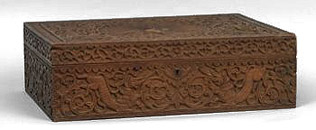 | หอ หีบ  | chest; wooden box; trunk | The 41st consonant in the Thai alphabet |
| Page 24 | |||
| หรือบางครั้งเป็นแก้มหรือว่าใบหูชัดแต่ดวงตาไม่ชัดก็มี | reuuR baangM khrangH bpenM gaaemF reuuR waaF baiM huuR chatH dtaaeL duaangM dtaaM maiF chatH gaawF meeM | example sentence | ...or sometimes the cheeks or the ears will be in focus but the eyes are not. |
| หรือเปล่า | reuuR bplaaoL | phrase, colloquial | ...or not? |
| หรือเปลือกตั้ง | reuuR bpleuuakL dtangF | or, to shred our ballots | |
| หรือเป้าหมายที่จะตื่นสายก็ทำไม่ได้ | reuuR bpaoF maaiR theeF jaL dteuunL saaiR gaawF thamM maiF daiF | example sentence | "Or, I really can’t get what I want, that is, to get up late." |
| หรือไปเดินกินอาหารตามถนนต่าง ๆ ร้านไหนคนเยอะคนแน่น เขาจะมีโต๊ะให้เราเสมอ | reuuR bpaiM deernM ginM aaM haanR dtaamM thaL nohnR dtaangL raanH naiR khohnM yuhH khohnM naaenF khaoR jaL meeM dtoH haiF raoM saL muuhrR | example sentence | "Or, sometimes when we go out to have some street food and the place will be full of people, the [owners] will always find a table for us." |
| หรือเพิ่มจากปี ค.ศ. 2011 ที่มีอยู่ประมาณ ๗๐๐๐ ล้านคน | reuuR pheermF jaakL bpeeM khaawM saawR theeF meeM yuuL bpraL maanM jetL phanM laanH khohnM | example sentence | "...or, an increase from the year 2011 during at which time there were about seven billion people." |
| หรือมองผู้รักษาประตูว่าอยู่ตรงไหนจะได้หามุมยิงประตูไม่ให้รับได้ | reuuR maawngM phuuF rakH saaR bpraL dtuuM waaF yuuL dtrohngM naiR jaL daiF haaR moomM yingM bpraL dtuuM maiF haiF rapH daiF | example sentence | "Or, [the players need to] see where the goalkeeper is so they can place their shot where it cannot be saved." |
| หรือมิฉะนั้นก็เป็นสาเหตุของการเจ็บป่วยเรื้อรังอันดับต้น ๆ เช่น โรคเบาหวาน | reuuR miH chaL nanH gaawF bpenM saaR haehtL khaawngR gaanM jepL bpuayL reuuaH rangM anM dapL dtohnF chenF ro:hkF baoM waanR | example sentence | "Or, alternatively, these [diseases], such as diabetes, are the primary causes of chronic illnesses." |
| ...หรือมีตัวเพลี้ย ปู สัตว์ร้ายลงกินทำลายข้าว ก็ต้องทนลำบากไปตลอดปี | reuuR meeM dtuaaM phliiaH bpuuM satL raaiH lohngM ginM thamM laaiM khaaoF gaawF dtawngF thohnM lamM baakL bpaiM dtaL laawtL bpeeM | example sentence | "...or if aphids, crabs, or other wild animals destroy the rice crop, then the farmer will suffer for the entire year." |
| หรือมีหิมะตกขณะแข่งขัน ซึ่งหากหิมะไม่ตกหนักจริง ๆ ผู้ตัดสินมักจะให้แข่งต่อไม่ยกเลิกการแข่งขัน | reuuR meeM hiL maH dtohkL khaL naL khaengL khanR seungF haakL hiL maH maiF dtohkL nakL jingM phuuF dtatL sinR makH jaL haiF khaengL dtaawL maiF yohkH leerkF gaanM khaengL khanR | example sentence | "Or, snow falls during the match for which, if the flurries are not heavy, the referee will not stop the game." |
| หรือแม้แต่การสร้างถนนสมัยก่อนก็จะยกคันถนนขึ้นมา ขุดดินข้างถนนให้เป็นคลอง ให้เป็นที่รองรับน้ำและระบายน้ำไปพร้อม ๆ กัน | reuuR maaeH dtaaeL gaanM saangF thaL nohnR saL maiR gaawnL gaawF jaL yohkH khanM thaL nohnR kheunF maaM khootL dinM khaangF thaL nohnR haiF bpenM khlaawngM haiF bpenM theeF raawngM rapH naamH laeH raH baaiM naamH bpaiM phraawmH phraawmH ganM | example sentence | "Alternatively, in former times as roads were built and raised up [from the surrounding area], canals were dug off the side of the road to serve both as a drainage area and a waterway." |
| หรือไม่ | reuuR maiF | conjunction, phrase, formal | or not; whether; if; whether (or not); if... or not |
| หรือไม่ก็คลุกข้าวกับปลาทูให้มันทิ้งไว้ตรงนั้นล่ะ | reuuR maiF gaawF khlookH khaaoF gapL bplaaM thuuM haiF manM thingH waiH dtrohngM nanH laF | example sentence | "Or, we mix rice with mackerel and leave it there for them to eat." |
| หรือไม่ก็ได้ที่นั่งหน้าสุด ๆอ่ะ คือจอหนังมันใหญ่อ่ะแต่ว่าเราได้นั่งข้างหน้าสุด ๆอ่ะ | reuuR maiF gaawF daiF theeF nangF naaF sootL sootL aL kheuuM jaawM nangR manM yaiL aL dtaaeL waaF raoM daiF nangF khaangF naaF sootL sootL aL | example sentence | "Or, if not, we get seats right in front of the screen; that is, the movie screen is really big and we get to sit in the front row." |
| ...หรือไม่ก็ไม่ได้ชอบหมวก ไม่ได้ชอบใส่หมวก แต่หัวล้านก็เลยต้องใส่" ผมพูดพลางหัวเราะ | reuuR maiF gaawF maiF daiF chaawpF muaakL maiF daiF chaawpF saiL muaakL dtaaeL huaaR laanH gaawF leeuyM dtawngF saiL phohmR phuutF phlaangM huaaR rawH | example sentence | "...or, alternatively, they don’t like hats or like to wear hats, but they are bald and have to wear a hat,” I said laughingly." |
| หรือไม่ถ้าเราไปสายกว่าเที่ยง เราอาจจะเปลี่ยนจากอาหารไปเป็นสิ่งของก็ได้ เช่น หนังสือธรรมะ เออ..แชมพูสระผม มีดโกนต่าง ๆ | reuuR maiF thaaF raoM bpaiM saaiR gwaaL thiiangF raoM aatL jaL bpliianL jaakL aaM haanR bpaiM bpenM singL khaawngR gaawF daiF chenF nangR seuuR thamM maH uuhrM chaaemM phuuM saL phohmR meetF go:hnM dtaangL | example sentence | "Alternatively, if we go later than noon, we might give them something useful, rather than food, for example, books about Buddhism, or say, shampoo or razors." |
| หรือยัง | reuuR yangM | conjunction, phrase, formal | or not; whether; if; whether (or not); if... or not |
| หรือยังไงดี | reuuR yangM ngaiM deeM | adverb, phrase | or what; or what to do; or what will I do |
| หรือเรียกได้ว่าชงกันไม่ถูกโฉลกกัน เชื่อกันว่าจะมีชีวิตคู่ไม่ยืนยาว ติดขัดมีปัญหาและเลิกรากันในภายหลัง | reuuR riiakF daiF waaF chohngM ganM maiF thuukL chaL lo:hkL ganM cheuuaF ganM waaF jaL meeM cheeM witH khuuF maiF yeuunM yaaoM dtitL khatL meeM bpanM haaR laeH leerkF raaM ganM naiM phaaiM langR | example sentence | "...or, as it is called, they are in conflict with one another, it is believed that their lives together will not be long, they will argue and have problems and finally, will get divorced." |
| หรือเรื่องราวอื่น ๆ ที่แสดงให้เห็น ๆว่า ทั้ง "โรงเรียน" และ "ครูไทย" ส่วนใหญ่นั้นยังไม่พร้อม ๆที่จะให้นักเรียนไว้ผมทรงทรมานใจคุณครูกันสักเท่าไรนัก | reuuR reuuangF raaoM euunL theeF saL daaengM haiF henR waaF thangH ro:hngM riianM laeH khruuM thaiM suaanL yaiL nanH yangM maiF phraawmH theeF jaL haiF nakH riianM waiH phohmR sohngM thaawM raH maanM jaiM khoonM khruuM ganM sakL thaoF raiM nakH | example sentence | "Or, other issues will arise which show that both schools and most Thai teachers are not yet prepared to allow their students to style their hair in a manner that causes any emotional pain to their teachers." |
| หรือ "โลกนี้เป็นของผู้ชนะ" | reuuR lo:hkF neeH bpenM khaawngR phuuF chaH naH | example sentence | "Or, “The world belongs to the winner.” " |
| หรือว่า | reuuR waaF | phrase | "whether..." — "or that..." |
| หรือว่าจะไปสยามสแควร์ | reuuR waaF jaL bpaiM saL yaamR saL khwaaeM | example sentence | "Or, we could go to Siam Square." |
| หรือว่าเป็นสถาปนิกวิศวกรเถื่อน | reuuR waaF bpenM saL thaaR bpaL nikH witH saL waH gaawnM theuuanL | example sentence | "Or, were they unlicensed architects and engineers?" |
| หรือว่าผมเข้าใจผิด | reuuR waaF phohmR khaoF jaiM phitL | example sentence | "Or, do I misunderstand?" |
| หรือว่าพ่อถูกกรอกหูด้วยถ้อยคำกินใจจากผู้ปราศรัย เลยทำให้ฮึกเหิมเคลิ้มคล้อยไปกับสถานการณ์ผสมผสานกับข่าวหนังสือพิมพ์ที่ชอบสร้างกระแสให้ครึกโครมใหญ่โต | reuuR waaF phaawF thuukL graawkL huuR duayF thaawyF khamM ginM jaiM jaakL phuuF bpraaM saiR leeuyM thamM haiF heukH heermR khleermH khlaawyH bpaiM gapL saL thaanR naH gaanM phaL sohmR phaL saanR gapL khaaoL nangR seuuR phimM theeF chaawpF saangF graL saaeR haiF khreukH khro:hmM yaiL dto:hM | example sentence | "Or, is it that my father has had his ears filled with the speakers’ deeply moving words that caused him to so get so recklessly carried away by these events, along with all the news from the newspapers which are prone to exaggeration and sensationalization." |
| หรือว่าภูผา ทอดยาวขวางหน้าบังตาแค่ไหน | reuuR waaF phuuM phaaR thaawtF yaaoM khwaangR naaF bangM dtaaM khaaeF naiR | example sentence | Or the mountains which extend before us block our view, |
| ...หรือสติกเกอร์ที่ติดไว้บริเวณสันประตู หรือเสากลางข้างตัวรถ หรือติดไว้ในช่องเก็บของภายในรถ | reuuR saL dtikL guuhrM theeF dtitL waiH baawM riH waehnM sanR bpraL dtuuM reuuR saoR glaangM khaangF dtuaaM rohtH reuuR dtitL waiH naiM chaawngF gepL khaawngR phaaiM naiM rohtH | example sentence | ...or sticker affixed to the door pillar or on the central post of the car body, or is attached to the glove box. |
| หรือสลับออกกำลังร่างกายช่วงบนหนึ่งวัน และช่วงล่างในวันถัดมา | reuuR saL lapL aawkL gamM langM raangF gaaiM chuaangF bohnM neungL wanM laeH chuaangF laangF naiM wanM thatL maaM | example sentence | Or, you should alternate doing upper body workouts one day and lower body exercise the next day. |
| หรือใส่น้ำเปล่า ก็จะทำให้เย็นได้นาน | reuuR saiL naamH bplaaoL gaawF jaL thamM haiF yenM daiF naanM | example sentence | "Of, if you put hollow ice cubes in plain water, they will keep the water cool for a long time." |
| หรือหมายความว่าคนที่จะมาทำหน้าที่สนับสนุนผู้สูงอายุย่อมมีจำนวนน้อยลง และจะส่งผลกระทบต่อปัญหาทางการคลังขึ้นมาทันที | reuuR maaiR khwaamM waaF khohnM theeF jaL maaM thamM naaF theeF saL napL saL noonR phuuF suungR aaM yooH yaawmF meeM jamM nuaanM naawyH lohngM laeH jaL sohngL phohnR graL thohpH dtaawL bpanM haaR thaangM gaanM khlangM kheunF maaM thanM theeM | example sentence | "In effect, this means that the people who would take on the job of caring for the elderly are becoming fewer in number and this would immediate and increasing effect on the national budget." |
| หรือหาไม่ได้ ผมก็น่าจะหาวันหยุดมาทาสีเสียเอง | reuuR haaR maiF daiF phohmR gaawF naaF jaL haaR wanM yootL maaM thaaM seeR siiaR aehngM | example sentence | "Or, if I can’t find anyone that I should paint the house myself on my day off." |
| หรืออย่างน้อยหากยังไม่ได้เป็นผู้ร้าย คุณก็คือจำเลย | reuuR yaangL naawyH haakL yangM maiF daiF bpenM phuuF raaiH khoonM gaawF kheuuM jamM leeuyM | example sentence | "...or, at the very least if you are not the bad guy, you are suspected [of being one]." |
| ...หรืออาจก้มศีรษะให้มากขึ้น จนหน้าผากจดปลายนิ้วก็ได้ | reuuR aatL gohmF seeR saL haiF maakF kheunF johnM naaF phaakL johtL bplaaiM niuH gaawF daiF | example sentence | "...or you might bow your head a bit more until your forehead can touch with your finger tips." |
| หรืออาจจะเป็นของเล็ก ๆ น้อย ๆ เป็นชิ้นเล็ก ๆ อย่างเช่นสร้อยคอมีลายการ์ตูนน่ารัก ๆ หรือไม่ก็เป็นพวก แหวนเครื่องประดับต่างๆผมว่าพวกเธอคงจะชอบนะครับ | reuuR aatL jaL bpenM khaawngR lekH lekH naawyH naawyH bpenM chinH lekH lekH yaangL chenF saawyF khaawM meeM laaiM gaaM dtuunM naaF rakH naaF rakH reuuR maiF gaawF bpenM phuaakF waaenR khreuuangF bpraL dapL dtaangL dtaangL phohmR waaF phuaakF thuuhrM khohngM jaL chaawpF naH khrapH | example sentence | "Or, [such gifts] might be something small and delicate, such as, a necklace with a cute cartoon figure or, if not, then rings or jewelry. I think that they like such things." |
| หรืออาจมีปลายทางในใจแต่ไม่ได้กำหนดเวลาไปถึงที่ชัดเจน | reuuR aatL meeM bplaaiM thaangM naiM jaiM dtaaeL maiF daiF gamM nohtL waehM laaM bpaiM theungR theeF chatH jaehnM | example sentence | "Or, they may have a particular end point in mind, but they have not set a particular time limit for getting there." |
| หรืออีกอย่างหนึ่งเธอขี้เกียจตาม | reuuR eekL yaangL neungL thuuhrM kheeF giiatL dtaamM | example sentence | "Or, perhaps, she was too lazy to keep up with [the changing world]." |
| หรุดหริด | rootL ritL | adjective | [is] irritated; feel irritated; annoyed; feel annoyed |
| หรู | ruuR | [is] luxurious; fancy; magnificent | |
| หรูหรา | ruuR raaR | adjective | [is] fancy, posh (e.g. of a restaurant or person), luxurious, fine |
| noun | [ความหรูหรา] elegance; magnificence; gorgeousness | ||
| หฤทัย | haL reuH thaiM | [alternate spelling of หทัย ] | |
| หฤหรรษ์ | haL reuH hanR | verb | to rejoice; delight; be glad; exult |
| หฤโหด | haL riH ho:htL | adverb | cruelly; viciously; savagely; brutally; mercilessly |
| หลง | lohngR | adjective | [is] lost; confused; forgotten; neglected; mentally weak |
| verb | to lose one's way, to go astray, to get lost, to be mistaken or forget; to be absorbed; to be absent-minded | ||
| adjective | [is] infatuated with; enraptured by | ||
| noun | [ความหลง] fascination, infatuation, rapture | ||
| หลงกล | lohngR gohnM | verb, transitive | to be tricked by |
| หลงเชื่อ | lohngR cheuuaF | verb | to easily trust; to be naïve |
| หลงตัวเอง | lohngR dtuaaM aehngM | adjective, phrase, colloquial, sarcastic-humorous | self-absorbed; narcissistic |
| หลงตา | lohngR dtaaM | adjective | [is] unnoticed, overlooked |
| หลงทาง | lohngR thaangM | verb | to become lost; to stray; to lose one's way; lose the way |
| หลงทาง | lohngR thaangM | adjective | lost; misguided; astray |
| Page 24 of 73. « prev page index next » | |||