

for the Thai language
| | Internet resource for the Thai language |
F.A.Q. Check out the list of frequently asked questions for a quick answer to your inquiry
recent donations!
Sign-up to join our mailing list. You'll receive email notification when this site is updated. Your privacy is guaranteed; this list is not sold, shared, or used for any other purpose. Click here for more information.
To unsubscribe, click here.
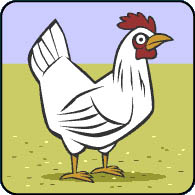 | Here's a poem that young Thai boys and girls use to learn the forty-four Thai consonants, similar to the "ABC" song that English-speaking children use. It helps you learn the alphabetical order of the conosonants and the sound of each letter. If you think you've got the alphabet memorized, you can try Phonemic Transcription of All 44 Thai Consonants as Initials. |

กอ เอ๋ย กอ ไก่  gaawM eeuyR gaawM gaiL | G is for /gaiL/ (chicken) |
| ขอ ไข่ในเล้า khaawR khaiL naiM laaoH | Kh is for /khaiL/ (the eggs) in the coop |
| ฃอ ขวดของเรา khaawR khuaatL khaawngR raoM | Kh is for /khuaatL/ (the bottle) that is ours |
| คอ ควายเข้านา khaawM khwaaiM khaoF naaM | Kh is for /khwaaiM/ (the water buffalo) who enters the rice paddy |
| ฅอ คนขึงขัง khaawM khohnM kheungR khangR | Kh is for the serious /khohnM/ (the person) |
| ฆอ ระฆังข้างฝา khaawM raH khangM khaangF faaR | Kh is for /raH khangM/ (the bell) beside the wall |
| งอ งูใจกล้า ngaawM nguuM jaiM glaaF | Ng is for the fearless /nguuM/ (snake) |
| จอ จานใช้ดี jaawM jaanM chaiH deeM | J is for /jaanM/ (a plate), so useful |
| ฉอ ฉิ่งตีดัง chaawR chingL dteeM dangM | Ch is for /chingL/ (finger cymbals), struck so loudly |
| ชอ ช้างวิ่งหนี chaawM chaangH wingF neeR | Ch is for /chaangH/ (the elephant) who runs away |
| ซอ โซ่ล่ามที saawM so:hF laamF theeM | S is for /so:hF/ (the chain), to tie him up |
| ฌอ กะเฌอคู่กัน chaawM gaL chuuhrM khuuF ganM | Ch is for the pair of /chuuhrM/ (bushes) |
| ญอ หญิงโสภา yaawM yingR so:hR phaaM | Y is for the beautiful /yingR/ (girl) |
| ฎอ ชฎาสวมพลัน daawM chaH daaM suaamR phlanM | D is for /chaH daaM/ (the dance hat), she hastily dons |
| ฏอ ปฏักหุนหัน dtaawM bpaL dtakL hoonR hanR | Dt is for /bpaL dtakL/ (harpoon), hasty and rash |
| ฐอ ฐานเข้ามารอง thaawR thaanR khaoF maaM raawngM | Th is for /thaanR/ (the pedestal), giving support |
| ฑอ มณโฑหน้าขาว thaawM mohnM tho:hM naaF khaaoR | Th is for /mohnM tho:hM/ (the giant's wife), her face ashen |
| ฒอ ผู้เฒ่าเดินย่อง thaawM phuuF thaoF deernM yawngF | Th is for /phuuF thaoF/ (the old man), who walks so feebly |
| ณอ เณรไม่มอง naawM naehnM maiF maawngM | N is for /naehnM/ (the young monk), who may not stare |
| ดอ เด็กต้องนิมนต์ daawM dekL dtawngF niH mohnM | D is for /dekL/ (the children), who invite him in |
| ตอ เต่าหลังตุง dtaawM dtaoL langR dtoongM | Dt is for /dtaoL/ (turtle), with his bulging back |
| ถอ ถุงแบกขน thaawR thoongR baaekL khohnR | Th is for /thoongR/ (bag), for carrying things |
| ทอ ทหารอดทน thaawM thaH haanR ohtL thohnM | Th is for /thaH haanR/ (the soldier), so enduring |
| ธอ ธงคนนิยม thaawM thohngM khohnM niH yohmM | Th is for our favorite /thohngM/ (flag) |
| นอ หนูขวักไขว่ naawM nuuR khwakL khwaiL | N is for /nuuR/ (the mice), who run about helter-skelter |
| บอ ใบไม้ทับถม baawM baiM maaiH thapH thohmR | B is for /baiM maaiH/ (the leaves), piling up |
| ปอ ปลาตากลม bpaawM bplaaM dtaaM glohmM | Bp is for the beady-eyed /bplaaM/ (fish) |
| ผอ ผึ้งทำรัง phaawR pheungF thamM rangM | Ph is for /pheungF/ (bees), building a hive |
| ฝอ ฝาทนทาน faawR faaR thohnM thaanM | F is for /faaR/ (lid), very durable |
| พอ พานวางตั้ง phaawM phaanM waangM dtangF | Ph is for /phaanM/ (the tray), all laid out |
| ฟอ ฟันสะอาดจัง faawM fanM saL aatL jangM | F is for /fanM/ (teeth), so very clean |
| ภอ สำเภากางใบ phaawM samR phaoM gaangM baiM | Ph is for /samR phaoM/ (the Chinese junk), unfurling its sails |
| มอ ม้าคึกคัก maawM maaH kheukH khakH | M is for the unruly /maaH/ (horse) |
| ยอ ยักษ์เขี้ยวใหญ่ yaawM yakH khiaaoF yaiL | Y is for /yakH/ (the giant) with the big fangs |
| รอ เรือพายไป raawM reuuaM phaaiM bpaiM | R is for /reuuaM/ (the boat) that paddles by |
| ลอ ลิงไต่ราว laawM lingM dtaiL raaoM | L is for /lingM/ (the monkey) climbing on the handrail |
| วอ แหวนลงยา waawM waaenR lohngM yaaM | W is for /waaenR/ (a ring), decorated with enamel |
| ศอ ศาลาเงียบเหงา saawR saaR laaM ngiiapF ngaoR | S is for /saaR laaM/ (the pavilion), so peaceful and lonely |
| ษอ ฤๅษีหนวดยาว saawR reuuM seeR nuaatL yaaoM | S is for /reuuM seeR/ (the hermit), with his long beard |
| สอ เสือดาวคะนอง saawR seuuaR daaoM khaH naawngM | S is for the ferocious spotted /seuuaR/ (tiger), the leopard |
| หอ หีบใส่ผ้า haawR heepL saiL phaaF | H is for /heepL/ (a box) filled with clothes |
| ฬอ จุฬาท่าผยอง laawM jooL laaM thaaF phaL yaawngR | L is for the swaggering /jooL laaM/ (boy kite) |
| ออ อ่างเนืองนอง aawM aangL neuuangM naawngM | (Aaw) is for overflowing /aangL/ (bowls) |
| ฮอ นกฮูกตาโต haawM nohkH huukF dtaaM dto:hM | H is for /nohkH huukF/ (the owl) with huge eyes |