

for the Thai language
| | Internet resource for the Thai language |
F.A.Q. Check out the list of frequently asked questions for a quick answer to your inquiry
recent donations!
Sign-up to join our mailing list. You'll receive email notification when this site is updated. Your privacy is guaranteed; this list is not sold, shared, or used for any other purpose. Click here for more information.
To unsubscribe, click here.
ModifiersEach language provides a unique insight into the culture of its speakers; this can be much of the fun and challenge of studying a foreign language. As we progress in our studies we may be motivated to better understand how native speakers describe features of their own language. With this goal in mind we present an excerpt, with translation, from a treatise on Thai grammar, written in Thai, for Thais. This excerpt is from “The Fundamentals of the Thai Language” by Kumchai Thonglaw, originally written in 1952 and still in print. | 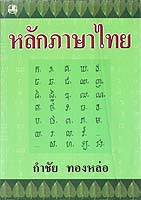 |

| I. | A “modifier” is a word which serves the role of associating with a noun, pronoun, verb, or other modifier in order to bring greater clarity to it. Some examples are: | คำวิเศษณ์ คือคำที่ทำหน้าที่ประกอบคำนาม, คำสรรพนาม, คำกริยา และคำวิเศษณ์ด้วยกันให้ได้ความชัดเจนยิ่งขึ้น ตัวอย่าง เช่น khamM wiH saehtL kheuuM khamM theeF thamM naaF theeF bpraL gaawpL khamM naamM khamM sapL phaH naamM khamM gaL riH yaaM laeH khamM wiH saehtL duayF ganM haiF daiF khwaamM chatH jaehnM yingF kheunF dtuaaM yaangL chenF | ||||||||||||||||||||||
| 1. | associating with and modifying nouns | ประกอบคำนาม bpraL gaawpL khamM naamM | ||||||||||||||||||||||
| 2. | associating with and modifying pronouns | ประกอบคำสรรพนาม bpraL gaawpL khamM sapL phaH naamM | ||||||||||||||||||||||
| ||||||||||||||||||||||||
| 3. | associating with and modifying verbs | ประกอบคำกริยา bpraL gaawpL khamM gaL riH yaaM | ||||||||||||||||||||||
| 4. | associating with and modifying other modifiers | ประกอบคำวิเศษณ์ bpraL gaawpL khamM wiH saehtL | ||||||||||||||||||||||
| ||||||||||||||||||||||||
| II. | There are four types of words used as modifiers: | คำที่ใช้เป็นคำวิเศษณ์ มีอยู่ ๔ ประเภท คือ khamM theeF chaiH bpenM khamM wiH saehtL meeM yuuL seeL bpraL phaehtF kheuuM | ||||||||||||||||||||||
| 1. | True modifiers, such as the following words: “good,” “evil,” “high,” “low,” “black,” “white,” “long,” “short,” “big,” “small,” etc. | คำวิเศษณ์แท้ ได้แก่คำ ดี ชั่ว สูง ต่ำ ดำ ขาว ยาว สั้น ใหญ่ เล็ก ฯลฯ khamM wiH saehtL thaaeH daiF gaaeL khamM deeM chuaaF suungR dtamL damM khaaoR yaaoM sanF yaiL lekH laH | ||||||||||||||||||||||
| 2. | Nouns: specifically, nouns which are combined with other types of words and perform the same function as modifiers, for example, “domestic fowl,” “wild fowl,” “[terrestrial] elephant,” “a teacher of students,” and “a senior teacher.” | คำนาม ได้แก่คำนามที่ประกอบคำอื่น และทำหน้าที่เช่นเดียวกับคำวิเศษณ์ เช่น ไก่บ้าน ไก่ป่า ช้างบก ครูเด็ก ครูผู้ใหญ่ ฯลฯ khamM naamM daiF gaaeL khamM naamM theeF bpraL gaawpL khamM euunL laeH thamM naaF theeF chenF diaaoM gapL khamM wiH saehtL chenF gaiL baanF gaiL bpaaL chaangH bohkL khruuM dekL khruuM phuuF yaiL laH | ||||||||||||||||||||||
| 3. | Verbs: specifically, verbs which are combined with other types of words and perform the same function as modifiers, for example, | คำกริยา ได้แก่คำกริยาที่ประกอบคำอื่นและทำหน้าที่เช่นเดียวกับคำวิเศษณ์ เช่น khamM gaL riH yaaM daiF gaaeL khamM gaL riH yaaM theeF bpraL gaawpL khamM euunL laeH thamM naaF theeF chenF diaaoM gapL khamM wiH saehtL chenF | ||||||||||||||||||||||
| ||||||||||||||||||||||||
| 4. | Phrases or word groups: specifically word groups which are combined with other words and which function as modifiers: | วลี ได้แก่กลุ่มคำที่ประกอบคำอื่นและทำหน้าที่เช่นเดียวกับคำวิเศษณ์ waH leeM daiF gaaeL gloomL khamM theeF bpraL gaawpL khamM euunL laeH thamM naaF theeF chenF diaaoM gapL khamM wiH saehtL | ||||||||||||||||||||||
| ||||||||||||||||||||||||
| III. | Types of modifiers | ชนิดของคำวิเศษณ์ chaH nitH khaawngR khamM wiH saehtL | ||||||||||||||||||||||
| Modifiers may be classified into 10 types; these are: | คำวิเศษณ์แบ่งออกเป็น ๑๐ ชนิด คือ khamM wiH saehtL baengL aawkL bpenM sipL chaH nitH kheuuM | |||||||||||||||||||||||
| 1. | “Modifiers describing characteristics” which are combined with other words to describe various characteristics, such as describing the type, color, shape, size, sound, symptom, smell, taste, and feel, for example: “good,” “evil,” “white,” “black,” “round,” “flat,” “large,” “small,” “thudding,” “thundering,” “fast, “slow,” “fragrant,” “stinky,” “sour,” “sweet,” “hot,” “cold,” etc. | ลักษณวิเศษณ์ คือคำวิเศษณ์ที่ประกอบบอกลักษณะต่าง ๆ เช่น บอกชนิด, สี, สัณฐาน, ขนาด, เสียง, อาการ, กลิ่น, รส, ความรู้สึก เป็นต้น เช่น ดี, ชั่ว, ขาว, ดำ, กลม, แบน, ใหญ่, เล็ก, โครม, เปรี้ยง, เร็ว, ช้า, หอม, เหม็น, เปรี้ยว, หวาน, ร้อน, เย็น ฯลฯ lakH saL naL wiH saehtL kheuuM khamM wiH saehtL theeF bpraL gaawpL baawkL lakH saL naL dtaangL dtaangL chenF baawkL chaH nitH seeR sanR thaanR khaL naatL siiangR aaM gaanM glinL rohtH khwaamM ruuH seukL bpenM dtohnF chenF deeM chuaaF khaaoR damM glohmM baaenM yaiL lekH khro:hmM bpriiangF reoM chaaH haawmR menR bpriaaoF waanR raawnH yenM laH | ||||||||||||||||||||||
| Nouns and verbs which are used as modifiers are usually “characteristic modifiers” and any modifier which cannot be otherwise be classified will be considered to be a “characteristic modifier.” | คำนามและคำกริยาที่นำมาใช้เป็นคำวิเศษณ์ โดยมากเป็นลักษณวิเศษณ์ และคำวิเศษณ์ใด ๆ ที่จัดเข้าในคำวิเศษณ์ชนิดอื่น ๆ ไม่ได้ ต้องนับว่าเป็นลักษณวิเศษณ์ทั้งสิ้น khamM naamM laeH khamM gaL riH yaaM theeF namM maaM chaiH bpenM khamM wiH saehtL dooyM maakF bpenM lakH saL naL wiH saehtL laeH khamM wiH saehtL daiM daiM theeF jatL khaoF naiM khamM wiH saehtL chaH nitH euunL euunL maiF daiF dtawngF napH waaF bpenM lakH saL naL wiH saehtL thangH sinF | |||||||||||||||||||||||
| 2. | “Temporal modifiers” are modifying words which combine with other words to indicate time, for example: “early,” “late,” “afternoon,” “noon,” “evening,” “dusk,” “past,” “future,” and “current.” | กาลวิเศษณ์ คือคำวิเศษณ์ที่ประกอบคำบอกเวลา เช่น เช้า สาย บ่าย เที่ยง เย็น ค่ำ อดีต อนาคต ปัจจุบัน gaanM wiH saehtL kheuuM khamM wiH saehtL theeF bpraL gaawpL khamM baawkL waehM laaM chenF chaaoH saaiR baaiL thiiangF yenM khamF aL deetL aL naaM khohtH bpatL jooL banM | ||||||||||||||||||||||
| Examples: | ตัวอย่าง dtuaaM yaangL | |||||||||||||||||||||||
| ||||||||||||||||||||||||
| In the first sentence the time modifier is associated with a noun; in the second sentence it is associated with a pronoun; in the third sentence the modifier is associated with a verb; and, in the fourth, it is associated with another modifier. | ในประโยคที่หนึ่ง กาลวิเศษณ์ประกอบนาม, ประโยคที่ ๒ ประกอบสรรพนาม, ประโยคที่ ๓ ประกอบกริยา, ประโยคที่ ๔ ประกอบวิเศษณ์ naiM bpraL yo:hkL theeF neungL gaanM wiH saehtL bpraL gaawpL naamM bpraL yo:hkL theeF saawngR bpraL gaawpL sapL phaH naamM bpraL yo:hkL theeF saamR bpraL gaawpL gaL riH yaaM bpraL yo:hkL theeF seeL bpraL gaawpL wiH saehtL | |||||||||||||||||||||||
| 3. | “Locational modifiers” are those that enhance words to indicate location, for example, “over,” “under,” “above,” “below,” “near,” “far,” “on land,” “on the water,” “at home,” “in the forest,” etc. | สถานวิเศษณ์ คือคำวิเศษณ์ที่ประกอบบอกสถานที่ เช่น บน ล่าง เหนือ ใต้ ใกล้ ไกล บก น้ำ บ้าน ป่า ฯลฯ saL thaanR naH wiH saehtL kheuuM khamM wiH saehtL theeF bpraL gaawpL baawkL saL thaanR theeF chenF bohnM laangF neuuaR dtaiF glaiF glaiM bohkL naamH baanF bpaaL laH | ||||||||||||||||||||||
| Example sentences: | ตัวอย่าง dtuaaM yaangL | |||||||||||||||||||||||
| ||||||||||||||||||||||||
| With respect to this type of word, if there is a noun or a pronoun following it, the word will serve the function of a preposition, for example, | คำวิเศษณ์ชนิดนี้ ถ้ามีคำนามหรือสรรพนามมารับข้างหลัง นับว่าเป็นคำบุพบท เช่น khamM wiH saehtL chaH nitH neeH thaaF meeM khamM naamM reuuR sapL phaH naamM maaM rapH khaangF langR napH waaF bpenM khamM boopL phaH bohtL chenF | |||||||||||||||||||||||
| ||||||||||||||||||||||||
| 4. | “Quantitative modifiers” are modifiers which indicate amounts and are composed of two types | ประมาณวิเศษณ์ คือคำวิเศษณ์ที่ประกอบบอกจำนวน แบ่งออกเป็น ๒ ชนิดคือ bpraL maanM wiH saehtL kheuuM khamM wiH saehtL theeF bpraL gaawpL baawkL jamM nuaanM baengL aawkL bpenM saawngR chaH nitH kheuuM | ||||||||||||||||||||||
| To indicate a counting number, such as “one ,” “two,” “three,” “four,” “five,” “first,” “second,” “third,” “fourth,” “fifth,” etc.; in this context, both numerical and word notations may be used. | บอกจำนวนนับ เช่น หนึ่ง สอง สาม สี่ ห้า ที่หนึ่ง ที่สอง ที่สาม ที่สี่ ที่ห้า ฯลฯ จะใช้เป็นตัวเลข หรือตัวหนังสือก็ได้ baawkL jamM nuaanM napH chenF neungL saawngR saamR seeL haaF theeF neungL theeF saawngR theeF saamR theeF seeL theeF haaF laH jaL chaiH bpenM dtuaaM laehkF reuuR dtuaaM nangR seuuR gaawF daiF | |||||||||||||||||||||||
| To indicate a quantity, although it is not necessary that the number be precise; the modifier may indicate “many” or “a few” just to show an approximation of the amount. Examples include, “a lot,” “few,” “many,” “all of,” “much,” “the entirety of,” “all of,” “complete,” “each one of,” “one of,” “each and every,” “some,” “partly,” “each other,” etc. Some examples include: | บอกจำนวนปริมาณ คือมิได้บอกชัดลงไปว่าเท่านั้นเท่านี้ เป็นแต่กำหนดว่ามากหรือน้อยซึ่งพอจะรู้ความหมายได้โดยปริมาณ เช่น มาก น้อย หลาย ทั้งหลาย จุ ทั้งปวง ทั้งหมด บรรดา คนละ สิ่งละ ต่าง บาง บ้าง กัน ฯลฯ เช่น baawkL jamM nuaanM bpaL riH maanM kheuuM miH daiF baawkL chatH lohngM bpaiM waaF thaoF nanH thaoF neeH bpenM dtaaeL gamM nohtL waaF maakF reuuR naawyH seungF phaawM jaL ruuH khwaamM maaiR daiF dooyM bpaL riH maanM chenF maakF naawyH laaiR thangH laaiR jooL thangH bpuaangM thangH mohtL banM daaM khohnM laH singL laH dtaangL baangM baangF ganM laH chenF | |||||||||||||||||||||||
| ||||||||||||||||||||||||
| 5. | “Demonstrative modifiers” are modifiers which serve to specify or limit the related word to a specific meaning or a specific item; such words include, “this,” “that,” “that one over there,” “all of these,” “all of those,” “like this,” “like that,” “as follows,” “like this (or that),” “truly,” “specifically,” “only this,” “at all,” “certainly,” “absolutely,” “certainly,” “surely, positively,” etc. | นิยมวิเศษณ์ คือ คำวิเศษณ์ที่ประกอบบอกความชี้เฉพาะ หรือจำกัดลงไปว่าเป็นเช่นนั้นเช่นนี้ หรือสิ่งนั้น สิ่งนี้ เช่น นี่ นั่น โน่น นี้ นั้น โน้น ทั้งนี้ ทั้งนั้น อย่างนี้ อย่างนั้น ดังนี้ ดังนั้น แท้ จริง เฉพาะ เอง ดอก แน่นอน ทีเดียว เทียว เจียว ฯลฯ niH yaH maH wiH saehtL kheuuM khamM wiH saehtL theeF bpraL gaawpL baawkL khwaamM cheeH chaL phawH reuuR jamM gatL lohngM bpaiM waaF bpenM chenF nanH chenF neeH reuuR singL nanH singL neeH chenF neeF nanF no:hnF neeH nanH no:hnH thangH neeH thangH nanH yaangL neeH yaangL nanH dangM neeH dangM nanH thaaeH jingM chaL phawH aehngM daawkL naaeF naawnM theeM diaaoM thiaaoM jiaaoM laH | ||||||||||||||||||||||
| Examples: | ตัวอย่าง dtuaaM yaangL | |||||||||||||||||||||||
| ||||||||||||||||||||||||
| 6. | “Indefinite modifiers” are modifiers which express non-specificity or provide a delimiter that something is like this or that, or this thing or that thing; for example, the words “whatever,” “whichever,” “wherever,” “how,” “any,” “how many,” “which,” “why,” “why so ever,” and “how so ever.” However, one should observe that these words, in order to be indefinite modifiers, should not be used in interrogatory sentences or in sentences which indicate doubt; if these words are used in sentences which indicate interrogatories or doubts, they are called, “interrogatory modifiers.” [See below.] Examples include, | อนิยมวิเศษณ์ คือ คำวิเศษณ์ที่ประกอบบอกความไม่ชี้เฉพาะ หรือจำกัดลงไปว่าเป็นเช่นนั้น เช่นนี้ หรือ สิ่งนี้ สิ่งนั้น เช่น ใด ไร ไหน กี่ อะไร ทำไม ฉันใด เช่นไร ฯลฯ แต่พึงสังเกตว่า คำพวกนี้จะต้องไม่ใช้ในข้อความที่เป็นคำถามหรือสงสัยจึงจะนับว่า เป็นอนิยมวิเศษณ์ ถ้าใช้ในข้อความที่เป็นคำถาม หรือสงสัยจึงจะนับว่า เป็นอนิยมวิเศษณ์ ถ้าใช้ในข้อความที่เป็นคำถามหรือสงสัย เรียกว่า ปฤจฉาวิเศษณ์ ตัวอย่าง aL niH yaH maH wiH saehtL kheuuM khamM wiH saehtL theeF bpraL gaawpL baawkL khwaamM maiF cheeH chaL phawH reuuR jamM gatL lohngM bpaiM waaF bpenM chenF nanH chenF neeH reuuR singL neeH singL nanH chenF daiM raiM naiR geeL aL raiM thamM maiM chanR daiM chenF raiM laH dtaaeL pheungM sangR gaehtL waaF khamM phuaakF neeH jaL dtawngF maiF chaiH naiM khaawF khwaamM theeF bpenM khamM thaamR reuuR sohngR saiR jeungM jaL napH waaF bpenM aL niH yaH maH wiH saehtL thaaF chaiH naiM khaawF khwaamM theeF bpenM khamM thaamR reuuR sohngR saiR jeungM jaL napH waaF bpenM aL niH yaH maH wiH saehtL thaaF chaiH naiM khaawF khwaamM theeF bpenM khamM thaamR reuuR sohngR saiR riiakF waaF bpritL chaaR wiH saehtL dtuaaM yaangL | ||||||||||||||||||||||
| ||||||||||||||||||||||||
| 7. | “Interrogative modifier” is a modifier which is part of a question sentence structure or a structure indicating doubt, for example, “whichever,” “which,” “what,” “how many,” “what,” “why,” “why,” “how,” “(interrogatory),” “whichever,” “which way,” “how many,” “why,” “or what,” etc. Examples are: | ปฤจฉาวิเศษณ์ คือ คำวิเศษณ์ที่ประกอบเนื้อความที่เป็นคำถาม หรือความสงสัย เช่น ใด ไหน ไร กี่ อะไร ทำไม ฉันใด เช่นไร ไหม อันใด อย่างไร เท่าไร ไย หรือหนอ ฯลฯ bpritL chaaR wiH saehtL kheuuM khamM wiH saehtL theeF bpraL gaawpL neuuaH khwaamM theeF bpenM khamM thaamR reuuR khwaamM sohngR saiR chenF daiM naiR raiM geeL aL raiM thamM maiM chanR daiM chenF raiM maiR anM daiM yaangL raiM thaoF raiM yaiM reuuR naawR laH | ||||||||||||||||||||||
| ||||||||||||||||||||||||
| 8. | Affirmative Modifiers are modifiers which are expressions of calling out and requesting or of answering and response; these words show the melodiousness of the language. The use of these words also indicate that both the parties to the conversation have an informal or friendly relationship to each other. Words include the following: “jaa,” “khorap,” “woiy (high tone”), “wooy (high tone)” “wooy (mid tone)” as well as all the other response words included in the royal language modifiers (See the the list of royal language modifiers below.) [The text itself contains a separate section on royal language modifiers.] Sample sentences include: | ประติชญาวิเศษณ์ คือ คำวิเศษณ์ที่ประบอกเสียงร้องเรียกและเสียงขานรับ เพื่อแสดงความสละสลวยของภาษา และแสดงความเป็นกันเองระหว่างผู้พูด เช่น จ๋า ขอรับ เว้ย โว้ย โวย และบรรดาคำขอรับที่กล่าวแล้วในคำวิเศษณ์ราชาศัพท์ทั้งสิ้น (ดูคำวิเศษณ์ราชาศัพท์ข้างหน้า) bpraL dtitL yaaM wiH saehtL kheuuM khamM wiH saehtL theeF bpraL baawkL siiangR raawngH riiakF laeH siiangR khaanR rapH pheuuaF saL daaengM khwaamM saL laL saL luayR khaawngR phaaM saaR laeH saL daaengM khwaamM bpenM ganM aehngM raH waangL phuuF phuutF chenF jaaR khaawR rapH weeuyH wooyH wooyM laeH banM daaM khamM khaawR rapH theeF glaaoL laaeoH naiM khamM wiH saehtL raaM chaaM sapL thangH sinF duuM khamM wiH saehtL raaM chaaM sapL khaangF naaF | ||||||||||||||||||||||
| ||||||||||||||||||||||||
| 9. | “Negative modifiers” are modifying words which indicate refusal or unacceptability, for example, “not,” (etc.) [The meanings of the Thai words in the list are similar.] These negative modifiers can be associated with nouns, pronouns, verbs, or other modifiers. | ประติเษธวิเศษณ์ คือ คำวิเศษณ์ที่ประกอบบอกความปฏิเสธ หรือไม่ยอมรับ เช่น ไม่, มิ ใช่, ไม่ใช่, บ, บ่, บ่มิ, บราง, ฤ, ฤๅ, มิได้, ไม่ได้, หาไม่, หา...ไม่, หามิได้, ไม่...มิได้, ไม่...หามิได้ คำประติเษธวิเศษณ์ จะปฏิเสธที่นาม สรรพนาม กริยา หรือ วิเศษณ์ ก็ได้ bpraL dtiL saehtL wiH saehtL kheuuM khamM wiH saehtL theeF bpraL gaawpL baawkL khwaamM bpaL dtiL saehtL reuuR maiF yaawmM rapH chenF maiF miH chaiF maiF chaiF baawM baawL baawL miH bawL raangM riH reuuM miH daiF maiF daiF haaR maiF haaR maiF haaR miH daiF maiF miH daiF maiF haaR miH daiF khamM bpraL dtiL saehtL wiH saehtL jaL bpaL dtiL saehtL theeF naamM sapL phaH naamM gaL riH yaaM reuuR wiH saehtL gaawF daiF | ||||||||||||||||||||||
| ||||||||||||||||||||||||
| 10. | “Relative modifiers” are modifiers which are composed of verbs or other modifiers in order to connect clauses to produce cohesive paragraphs. | ประพันธวิเศษณ์ คือ คำวิเศษณ์ที่ประกอบคำกริยาหรือคำวิเศษณ์ เพื่อเชื่อมประโยคให้ bpraL phanM thaH wiH saehtL kheuuM khamM wiH saehtL theeF bpraL gaawpL khamM gaL riH yaaM reuuR khamM wiH saehtL pheuuaF cheuuamF bpraL yo:hkL haiF | ||||||||||||||||||||||
| Examples include, “that, which, or whom,” “which,” “which, that, or whom,” “in an instance where,” “in order that,” “that,” “as indicated,” “that is,” and “so that,” “in order to,” “in case of,” and others. Sample sentences: | มีข้อความเกี่ยวข้องกัน เช่น ที่ ซึ่ง อัน อย่างที่ ชนิดที่ ให้ ว่า ที่ว่า คือ เพื่อ ให้ เพื่อว่า ฯลฯ ตัวอย่าง meeM khaawF khwaamM giaaoL khaawngF ganM chenF theeF seungF anM yaangL theeF chaH nitH theeF haiF waaF theeF waaF kheuuM pheuuaF haiF pheuuaF waaF laH dtuaaM yaangL | |||||||||||||||||||||||
| ||||||||||||||||||||||||
| The difference between relative pronouns and relative modifiers [which act like adverbs]: | ความต่างกันระหว่างประพันธสรรพนามและประพันธวิเศษณ์ khwaamM dtaangL ganM raH waangL bpraL phanM thaH sapL phaH naamM laeH bpraL phanM thaH wiH saehtL | |||||||||||||||||||||||
| Even though relative pronouns and relative modifiers use the same words, for example, “that,” “which,” “the one that,” there are differences, as in the following: | ประพันธสรรพนาม และประพันธวิเศษณ์ แม้จะใช้คำบางคำเหมือนกัน เช่น ที่ ซึ่ง อัน แต่มีข้อแตกต่างกัน ดังนี้ bpraL phanM thaH sapL phaH naamM laeH bpraL phanM thaH wiH saehtL maaeH jaL chaiH khamM baangM khamM meuuanR ganM chenF theeF seungF anM dtaaeL meeM khaawF dtaaekL dtaangL ganM dangM neeH | |||||||||||||||||||||||
| a.) | Relative pronouns have the following functions: | ประพันธสรรพนาม ทำหน้าที่ bpraL phanM thaH sapL phaH naamM thamM naaF theeF | ||||||||||||||||||||||
| • | (They) are used in place of nouns or pronouns which occur before the relative clause. | ใช้แทนนามหรือสรรพนามที่อยู่ข้างหน้า chaiH thaaenM naamM reuuR sapL phaH naamM theeF yuuL khaangF naaF | ||||||||||||||||||||||
| • | (They) must be placed adjacent to their related noun or pronoun. | ต้องเรียงไว้ใกล้ชิดติดต่อกับนาม หรือสรรพนามที่มันแทน dtawngF riiangM waiH glaiF chitH dtitL dtaawL gapL naamM reuuR sapL phaH naamM theeF manM thaaenM | ||||||||||||||||||||||
| • | (They) are the subject of the verb which follows (that is, the subject of the associated clause). | เป็นประธานของกริยาที่ตามมาข้างหลัง (คือ ประธานของคุณานุประโยค) bpenM bpraL thaanM khaawngR gaL riH yaaM theeF dtaamM maaM khaangF langR kheuuM bpraL thaanM khaawngR khooH naaM nooH bpraL yo:hkL | ||||||||||||||||||||||
| • | "(They) constitute connecting words between an independent clause (main clause) and a dependent clause (adjectival clause) which, when combined, produce a “complex sentence.”." | เป็นบทเชื่อมระหว่างมุขยประโยค กับคุณานุประโยคซึ่งรวมเรียกว่าสังกรประโยค bpenM bohtL cheuuamF raH waangL mookH khaL yaH bpraL yo:hkL gapL khooH naaM nooH bpraL yo:hkL seungF ruaamM riiakF waaF sangR gaawnM bpraL yo:hkL | ||||||||||||||||||||||
| • | (They) refer to the (antecedent) nouns or pronouns which precede them. | เป็นวิกัติการกของนาม หรือสรรพนามที่อยู่ข้างหน้า bpenM wiH gatL gaaM rohkH khaawngR naamM reuuR sapL phaH naamM theeF yuuL khaangF naaF | ||||||||||||||||||||||
| b.) | Relative modifiers [which act like adverbs] have the following functions: | ประพันธวิเศษณ์ ทำหน้าที่ bpraL phanM thaH wiH saehtL thamM naaF theeF | ||||||||||||||||||||||
| • | (They) are joined with a verb or another modifier | ประกอบคำกริยา หรือคำวิเศษณ์ bpraL gaawpL khamM gaL riH yaaM reuuR khamM wiH saehtL | ||||||||||||||||||||||
| • | (They) constitute connecting words between an independent clause (main clause) and a dependent clause (adverbial clause) which, when combined, produce a complex sentence. | เป็นบทเชื่อมระหว่างมุขยประโยคกับวิเศษณานุประโยค ซึ่งรวมเรียก สังกรประโยค bpenM bohtL cheuuamF raH waangL mookH khaL yaH bpraL yo:hkL gapL wiH saehtL naaM nooH bpraL yo:hkL seungF ruaamM riiakF sangR gaawnM bpraL yo:hkL | ||||||||||||||||||||||
| • | (They) must be placed after another word excluding nouns and pronouns. | ต้องเรียงไว้ข้างหลังคำอื่น นอกจากคำนาม และสรรพนาม dtawngF riiangM waiH khaangF langR khamM euunL naawkF jaakL khamM naamM laeH sapL phaH naamM | ||||||||||||||||||||||
| IV. | Comment: A modifier, in addition to being associated with a noun or pronoun, verb or another modifier, may also serve as an intransitive verb as well, for example, | หมายเหตุ คำวิเศษณ์ นอกจากทำหน้าที่ประกอบนาม สรรพนาม กริยา วิเศษณ์ แล้วยังทำหน้าที่เป็นอกรรมกริยาได้ด้วย เช่น maaiR haehtL khamM wiH saehtL naawkF jaakL thamM naaF theeF bpraL gaawpL naamM sapL phaH naamM gaL riH yaaM wiH saehtL laaeoH yangM thamM naaF theeF bpenM aL gamM gaL riH yaaM daiF duayF chenF | ||||||||||||||||||||||
| ||||||||||||||||||||||||
| มุขยประโยค | mookH khaL yaH bpraL yo:hkL | [Thai grammar] main clause; independent (principal) clause of a sentence |
| อนุประโยค | aL nooH bpraL yo:hkL | [Thai grammar] subordinate clause |
| นามานุประโยค | naaM maaM nooH bpraL yo:hkL | [Thai grammar] noun clause |
| วิเศษณานุประโยค | wiH saehtL naaM nooH bpraL yo:hkL | [Thai grammar] adverbial dependent clause |
| คุณานุประโยค | khooH naaM nooH bpraL yo:hkL | [Thai grammar] adjectival dependent (subordinate) clause; (relative) clause |
| ประพันธสรรพนาม | bpraL phanM thaH sapL phaH naamM | [Thai grammar] relative pronoun |
| 1. | ลักษณวิเศษณ์ | lakH saL naL wiH saehtL | [Thai grammar] characteristic modifier |
| 2. | กาลวิเศษณ์ | gaanM wiH saehtL | [Thai grammar] temporal modifier |
| 3. | สถานวิเศษณ์ | saL thaanR naH wiH saehtL | [Thai grammar] locational modifier |
| 4. | ประมาณวิเศษณ์ | bpraL maanM wiH saehtL | [Thai grammar] quantitative modifier |
| 5. | นิยมวิเศษณ์ | niH yaH maH wiH saehtL | [Thai grammar] demonstrative modifier |
| 6. | อนิยมวิเศษณ์ | aL niH yaH maH wiH saehtL | [Thai grammar] indefinite modifier |
| 7. | ปฤจฉาวิเศษณ์ | bpritL chaaR wiH saehtL | [Thai grammar] interrogatory modifier |
| 8. | ประติชญาวิเศษณ์ | bpraL dtitL yaaM wiH saehtL | [Thai grammar] affirmative modifier |
| 9. | ประติเษธวิเศษณ์ | bpraL dtiL saehtL wiH saehtL | [Thai grammar] negative modifier |
| 10. | ประพันธวิเศษณ์ | bpraL phanM thaH wiH saehtL | [Thai grammar] relative modifier |
| “The Fundamentals of the Thai Language” by Kumchai Thonglaw, Honorary Doctorate in Arts (Language and Literature), Printed 2545 (2002), pages 246 – 252 (Please note that other editions might have different page numbers.) | “หลักภาษาไทย” โดย กำชัย ทองหล่อ, ศิลปศาสตร์ดุษฎีบัฑิตกิตติมศักดิ์ (สาขาภาษาและวรรณคดีไทย), ฉบับพิมพ์ พ.ศ. 2545, ๒๔๖ – ๒๕๐ |